Does Eye Color Affect Vision and Light Sensitivity?
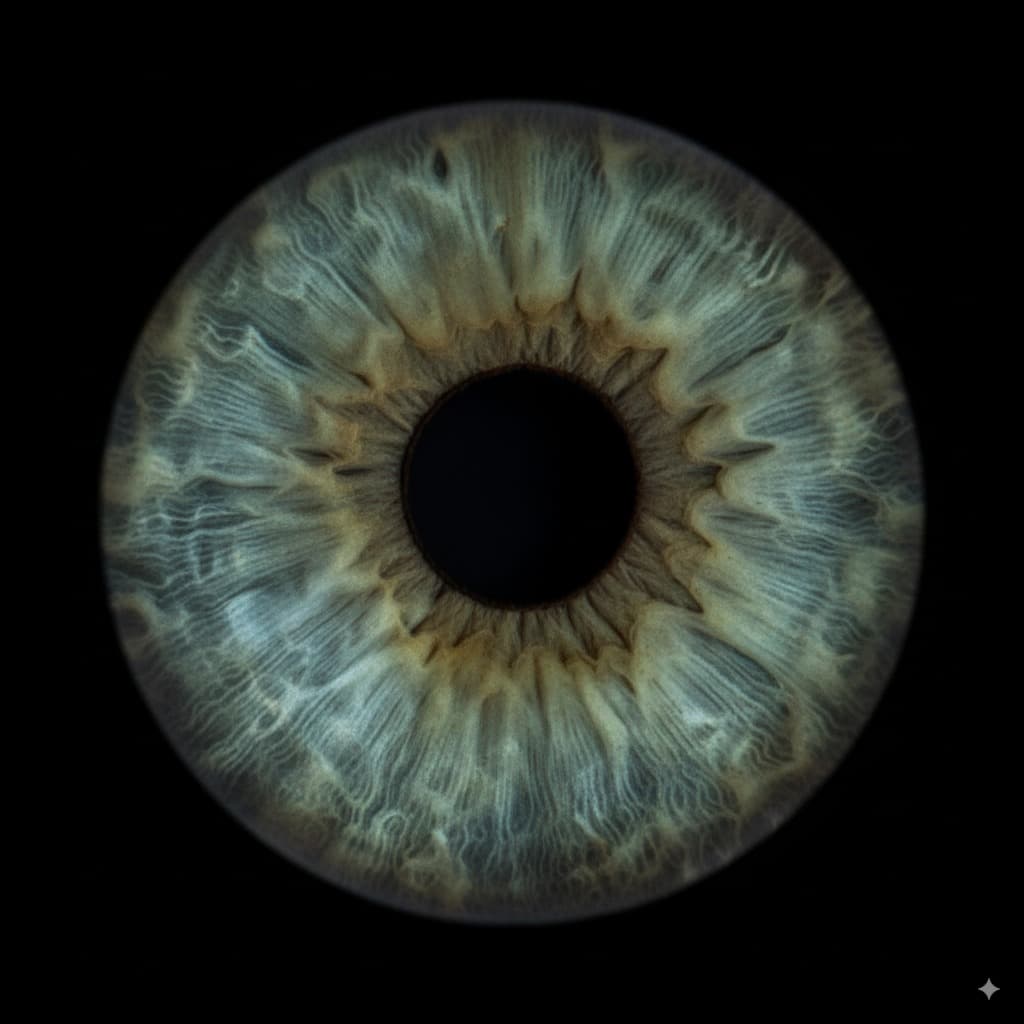
Here's the short answer: eye color doesn't affect how sharply you see, but it does affect how sensitive you are to light. A brown-eyed and a blue-eyed person with the same prescription see equally clearly — but the blue-eyed one is more likely to squint in the sun and reach for sunglasses. That difference comes down to one thing your iris color is really a measure of: melanin. This guide explains what eye color does and doesn't change about your vision, which colors are most light-sensitive, and the small differences in UV and disease risk worth knowing.
Eye Color and Sharpness: No Connection
Let's clear up the biggest misconception first. How clearly you see — your visual acuity, the thing measured by the letters on an eye chart — has nothing to do with your eye color. Sharpness depends on the optics of the eye: the length and shape of the eyeball, the curve of the cornea, the flexibility of the lens, and the health of the retina. Those are what cause nearsightedness, farsightedness, and astigmatism, and none of them is linked to the pigment in your iris.
So a person with dark brown eyes and a person with pale blue eyes, given the same prescription, will read the same line on the chart. If you've heard that one eye color "sees better," that's a myth — with one nuance, which is all about light, not sharpness.
The Real Difference: Melanin and Light
Your eye color is essentially a readout of how much melanin is in the front of your iris. Brown eyes are packed with it; blue and gray eyes have very little. And melanin has a job beyond looking nice — it absorbs light. In the iris, that pigment acts like tint on a car window, soaking up stray light and keeping the inside of the eye darker and better-controlled.
When the iris has plenty of melanin, most light entering the eye is funneled cleanly through the pupil and little leaks through or scatters. When the iris is low in melanin, more light passes through the iris tissue itself and bounces around inside the eye. That extra scattered light is what the retina registers as brightness and glare. It doesn't blur the image — your focus is unchanged — but it makes bright conditions feel harsher. This is the same low-melanin, light-scattering physics that makes blue eyes and gray eyes look the way they do in the first place.
Which Eye Colors Are Most Sensitive to Light?
Light sensitivity — the medical term is photophobia when it's pronounced — tracks melanin almost perfectly, so the ranking runs from lightest (most sensitive) to darkest (least):
- Blue and gray — the least melanin and the most light-sensitive. Most likely to squint in sun and struggle with glare.
- Green — a little more melanin than blue, still on the sensitive end.
- Hazel and amber — moderate melanin, moderate sensitivity.
- Brown — the most melanin, the least light-sensitive; brown-eyed people are the most comfortable in bright conditions.
In everyday life this shows up as: reaching for sunglasses sooner, finding snow or beach glare harder to tolerate, more discomfort from oncoming headlights at night, and sometimes more eye strain under harsh office lighting. None of it means anything is wrong with your eyes — it's just less built-in tint. (Note: a sudden new sensitivity to light is different and worth an eye exam, since it can signal migraine, inflammation, or a corneal issue unrelated to color.)
UV Protection and Long-Term Risk
Because melanin also blocks ultraviolet light, the same pigment gap that makes light eyes more sensitive also gives them a little less natural UV defense. Research has linked lighter iris color to a modestly higher risk of a few conditions — most consistently uveal melanoma (a rare cancer of the eye), and with weaker and debated evidence, some forms of age-related macular degeneration. On the flip side, some studies suggest darker eyes may carry slightly higher risk of certain cataracts. The honest summary: these associations are real but the absolute differences are small, and eye color is a minor risk factor next to age, genetics, smoking, and lifetime sun exposure.
The practical takeaway is the same for everyone regardless of color: wear UV-blocking sunglasses and a hat in strong sun. People with light eyes will simply feel the comfort benefit more immediately, while the UV protection matters for all of us over a lifetime.
What About Night Vision?
You'll often read that darker eyes see better at night, or that lighter eyes have some low-light advantage. The evidence for a real difference in night vision — how well you actually see in the dark — is weak, and any effect is small enough that you shouldn't count on it either way. Night vision depends mostly on your retina's rod cells and overall eye health, not iris color.
What is real at night is glare. Because more light scatters inside a low-melanin eye, people with light eyes more often find oncoming headlights and bright streetlights uncomfortable and dazzling. That's a sensitivity-to-glare effect, not a difference in the ability to see in darkness — an important distinction if you're a light-eyed driver who finds night driving harsh.
Frequently Asked Questions
Does eye color affect vision?
Not your sharpness. How clearly you see is set by the shape of your eye, cornea, and lens — not iris color — so a brown-eyed and blue-eyed person with the same prescription see equally well. Eye color does affect light sensitivity: lighter irises have less melanin, let in more stray light, and are more sensitive to brightness and glare.
What eye color is most sensitive to light?
Blue and gray eyes are the most light-sensitive, followed by green, then hazel, with brown the least sensitive. Melanin absorbs light, and darker irises simply have much more of it, so low-melanin light eyes let more scattered light reach the retina.
Are blue eyes more sensitive to light than brown eyes?
Yes. Blue eyes have far less iris melanin than brown, and melanin is what blocks and absorbs light. With less pigment, more light passes through and scatters inside a blue eye, making glare and bright light more uncomfortable. Brown eyes absorb more and are the least light-sensitive.
Do light eyes need more sun protection?
It's sensible. Melanin also shields against UV, so lighter eyes have a bit less natural protection, and some research links light iris color to a modestly higher risk of conditions like uveal melanoma. The differences are small, but UV-blocking sunglasses are a good idea for everyone.
Does eye color affect night vision?
There's little solid evidence that eye color changes how well you see in the dark. What's real is glare: light-eyed people often find oncoming headlights more dazzling at night, because more light scatters inside a low-melanin eye. That's glare sensitivity, not night-vision ability.
Sources & Further Reading
- American Academy of Ophthalmology. Does Eye Color Affect Your Vision?
- Cleveland Clinic. (2024). Eye Colors: What Determines Them and What They Mean.
- National Eye Institute. Eye Conditions and Diseases. U.S. National Institutes of Health.
Related Reading
- Blue Eyes: How Rare They Are & Where They Come From
- Gray Eyes: How Rare They Are & Why They Aren't Just Blue
- Eye Color Genetics: What Actually Determines Your Eye Color
- Eye Color Chart: Every Color, Its Shades & How Rare It Is
- AI Eye Color Identifier (the tool)
Written by the MyEye - AI Eye Scanner & Iris Analyzer Team. For educational purposes only. Not medical advice. If you have new or worsening light sensitivity, eye pain, or vision changes, see a qualified eye-care professional.
Last updated: July 15, 2026.