Heterochromia: Types, Causes & How Rare Two-Colored Eyes Are
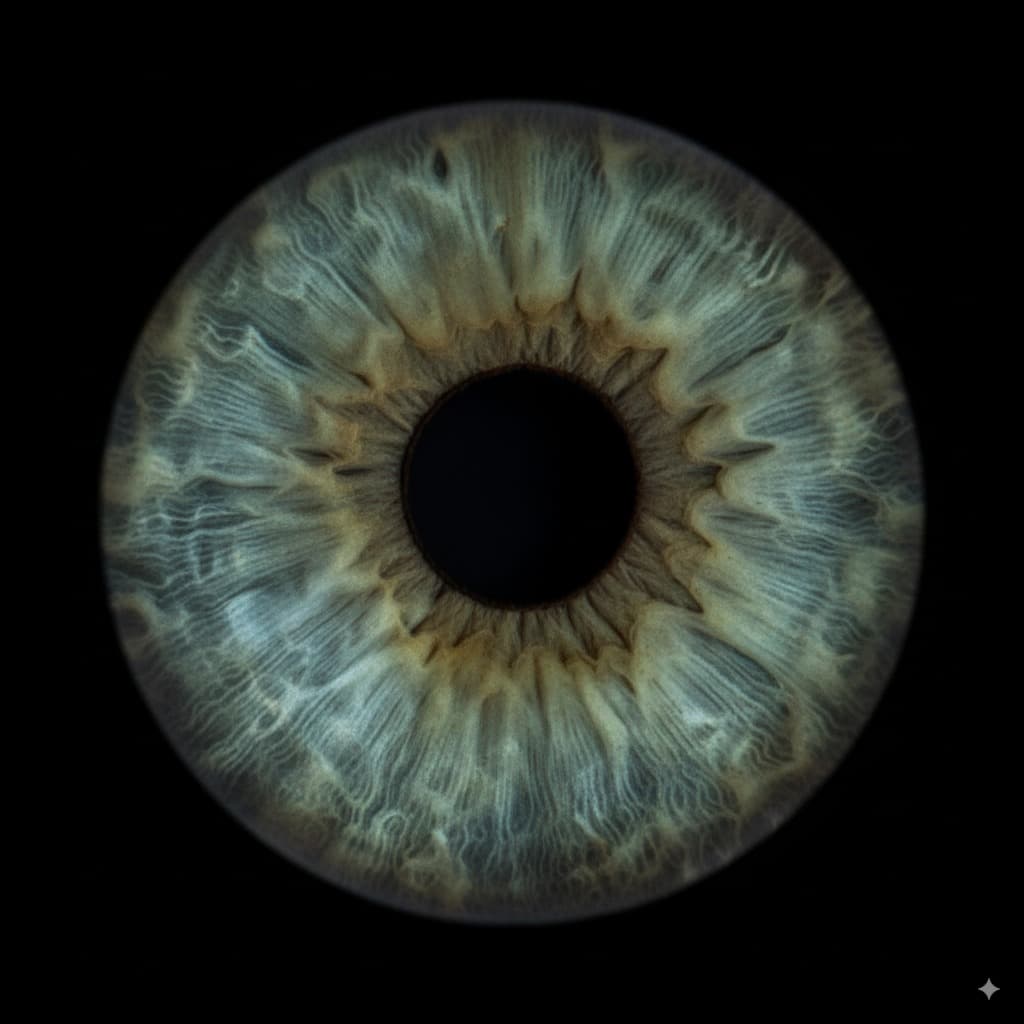
Heterochromia is the eye-color trait everyone notices: two different colored eyes, or a single iris that carries two distinct colors at once. It shows up in fewer than 1% of people, which makes it rarer than any single eye color — rarer than green, rarer than gray. This guide explains exactly what heterochromia is, the three types, what causes it, when it is harmless versus when it is worth seeing a doctor, and the famous faces (and animals) that have it.
What Is Heterochromia?
Heterochromia (from the Greek heteros, "different, " and chroma, "color") is any condition where the iris is not a single, uniform color. That covers two eyes of different colors as well as a single eye that contains two colors. The medical term for two differently colored eyes is heterochromia iridum; two colors within one iris is heterochromia iridis.
The cause is always the same underlying mechanism: uneven melanin. Melanin is the brown-black pigment that colors your iris, your skin, and your hair. More melanin makes an iris look brown; less makes it look green, gray, or blue (the blue comes from light scattering, not a blue pigment — there is no blue pigment in the human eye). In heterochromia, one eye, or one part of an eye, simply ends up with a different amount of melanin than the rest. Where the pigment is dense, the iris looks darker; where it is sparse, it looks lighter.
That difference can be dramatic — one brown eye and one blue eye — or subtle enough that people do not notice it until they look closely in good light.
The Three Types of Heterochromia
Heterochromia is grouped into three types based on where the color difference appears:
| Type | What it looks like | Relative frequency |
|---|---|---|
| Complete | Each iris is a fully different color — e.g. one blue, one brown | Rarest |
| Sectoral | A wedge or patch of a different color within one iris | Uncommon |
| Central | A ring of one color around the pupil, a different color at the edge (both eyes) | Most common |
1. Complete heterochromia
The classic, most striking form: the two irises are entirely different colors. Think one brown eye and one blue eye, or one green and one hazel. This is the rarest type, and the one most people picture when they hear "heterochromia." Actress Mila Kunis is a well-known example — one of her eyes is green and the other is brown.
2. Sectoral (partial) heterochromia
Here a single iris contains a distinct block of a second color — a slice, wedge, or patch — while the rest of that eye is one color. It can look like a brown segment in an otherwise green eye, almost as if someone painted a section a different shade. Documented examples include actress Kate Bosworth, whose eyes are described as part blue and part hazel-brown.
This is the type people most often try to identify in their own eyes, and it has questions of its own: how rare it really is (no one has ever counted it in people), what causes the patch, and how to tell it apart from an iris freckle. Our dedicated guide to sectoral heterochromia covers all of it.
3. Central heterochromia
The most common — and most misunderstood — type. Both eyes share the same pattern: an inner ring of one color immediately around the pupil, surrounded by a clearly different color toward the outer edge. A common combination is a golden-brown inner ring with a blue or green outer iris. Because this two-zone look can resemble hazel, many people who think they have hazel eyes actually have central heterochromia — and vice versa. We break that down further below, and go deeper still in our dedicated guide to central heterochromia.
How Rare Is Heterochromia?
Noticeable heterochromia is found in fewer than 1% of people — a frequently cited estimate is around 6 in every 1,000, and clearly distinct, obvious cases are rarer than that. To put it in context, that is rarer than every standard eye color on its own:
| Trait | Approx. global share | Rarity |
|---|---|---|
| Brown eyes | 55–79% | Most common |
| Blue eyes | 8–10% | Common |
| Hazel eyes | ~5% | Uncommon |
| Green eyes | ~2% | Rare |
| Heterochromia | <1% | Rarest |
Within heterochromia, complete heterochromia is the rarest and most eye-catching, while central heterochromia is comparatively common and often goes unrecognized — people simply assume they have hazel or multicolored eyes. Heterochromia is also more common in some animals than in humans, which we cover later.
What Causes Heterochromia?
There are two broad categories, and the distinction matters a lot: congenital heterochromia is present from birth and is usually harmless, while acquired heterochromia develops later in life and can occasionally point to a treatable medical condition.
Congenital causes (present at birth)
Most congenital heterochromia is simply a benign quirk of how pigment was distributed as the eyes developed — no underlying disease, no consequences for vision. In a minority of cases it is associated with a genetic syndrome, including:
- Waardenburg syndrome — a genetic condition that can cause heterochromia, a white forelock of hair, and hearing loss.
- Horner syndrome — when present from birth, it can leave the affected eye with a lighter iris (and a smaller pupil).
- Piebaldism, Sturge-Weber syndrome, Parry-Romberg syndrome, and Hirschsprung disease — rarer conditions that can include heterochromia among their features.
- Genetic mosaicism or chimerism — when an individual carries cells with different genetic instructions for pigment.
The vast majority of people born with heterochromia have none of these — it is just the way their irises formed.
Acquired causes (develops later)
Acquired heterochromia is the type to take seriously, because it means something changed. Possible causes include:
- Eye injury or surgery — trauma to the iris can alter its pigment.
- Bleeding inside the eye and certain types of inflammation, such as Fuchs heterochromic uveitis (which typically leaves the affected eye lighter).
- Glaucoma — and some glaucoma eye drops. Prostaglandin-analog drops (like latanoprost) are well known for gradually darkening the treated iris, which can create heterochromia if only one eye is treated.
- Pigment dispersion syndrome, diabetes, and siderosis (iron deposits from a retained foreign body).
- Iris tumors — including benign nevi (freckles) and, rarely, melanoma. This is uncommon, but it is the reason a new color change always deserves a professional look.
Is Heterochromia Dangerous? When to See a Doctor
For most people, the answer is reassuring: heterochromia you were born with and have always had is benign and requires no treatment. It does not affect your vision and is simply a striking feature.
The situation that warrants attention is change. See an ophthalmologist if you notice:
- A new color difference between your eyes, or one eye changing color, as an adult.
- Heterochromia that appears alongside eye pain, redness, light sensitivity, or vision changes.
- A noticeable difference in pupil size as well as color (can suggest Horner syndrome).
- In a baby: heterochromia together with hearing concerns or a white patch of hair is worth raising with a pediatrician (screening for Waardenburg syndrome).
None of these mean something is definitely wrong — but because acquired heterochromia can occasionally flag a treatable condition, it is always worth a quick check rather than a guess.
Central Heterochromia vs. Hazel Eyes
This is the single most common point of confusion in eye color, so it is worth being precise. Both involve more than one color in the same iris — but the way the colors meet is different:
- Central heterochromia has two defined zones: a distinct ring of one color around the pupil and a clearly separate color on the outer iris, with a relatively sharp boundary between them.
- Hazel eyes are a continuous gradient: brown or gold near the pupil that blends smoothly outward into green, with no hard line between the colors.
The quick test: if you see two colors that look like separate bands, it leans central heterochromia; if the colors melt into one another, it is hazel. If you are not sure — and most people genuinely are not — that is exactly the kind of pixel-level call our AI Eye Color Identifier is built for. You can also read our deep dive on hazel eyes.
Famous People With Heterochromia
Heterochromia turns up among well-known faces often enough to be a recognizable "feature." Documented examples include:
- Mila Kunis — complete heterochromia, one green eye and one brown (she has linked it to a past bout of chronic eye inflammation).
- Kate Bosworth — sectoral heterochromia, with one eye part blue and part hazel-brown.
- Alice Eve — complete heterochromia, one green eye and one blue.
- Jane Seymour, Henry Cavill, and baseball pitcher Max Scherzer (one blue eye, one brown) are also cited examples.
One common myth worth correcting: David Bowie did not have heterochromia. His eyes were the same color — what made them look different was anisocoria, a permanently dilated pupil in one eye after a teenage injury. Different pupil size, not different iris color. We cover his story and other famous eyes in our guide to celebrity eye colors.
Heterochromia in Animals
Heterochromia is noticeably more common in animals than in humans, especially in breeds with a lot of white in their coats — the same genes that reduce pigment in fur can reduce it in one iris. You will see it frequently in Siberian Huskies, Australian Shepherds, Dalmatians, and border collies, and in white or bi-colored cats (a white cat with one blue eye and one copper eye is a classic example). It also appears in horses, where a blue-and-brown combination is sometimes called a "wall eye." In healthy animals it is cosmetic and does not affect their sight.
How to Tell If You Have Heterochromia
Complete heterochromia is obvious. The subtle forms — sectoral patches and central rings — are much easier to miss, especially because indoor light flattens the contrast between iris zones. Here is how to check properly:
- Look in bright, natural daylight near a window — never under warm indoor bulbs, which mute the colors.
- Examine the iris in zones: compare the ring right around the pupil to the outer edge, and compare your left eye to your right.
- Take a sharp, close-up photo of each eye and zoom in — your camera often catches color separation your own eyes gloss over.
The most reliable way is to let software do the pixel-by-pixel work. Our AI Eye Color Identifier isolates your iris from a single photo, maps the dominant and secondary tones, and shows whether your eyes carry a true two-toned pattern or central heterochromia — and how rare that combination is. You can also estimate the rarity of your exact color with the Eye Color Rarity Calculator.
Frequently Asked Questions
What is heterochromia, in simple terms?
It is having two different eye colors, or two colors in one iris, because melanin (the pigment that colors the eye) is spread unevenly. Areas with more pigment look browner; areas with less look lighter, greener, or bluer.
How rare is heterochromia?
Fewer than 1% of people — roughly 6 in 1,000 — and clearly distinct cases are rarer still. That makes it rarer than green (~2%) or gray (~3%) eyes. Complete heterochromia is the rarest form; central heterochromia is the most common.
What causes heterochromia?
Most cases are congenital (present at birth) and harmless, occasionally linked to genetic conditions like Waardenburg or Horner syndrome. Acquired cases develop later from injury, inflammation, glaucoma and some glaucoma drops, or rarely an iris tumor — and those are worth a doctor's check.
Is heterochromia a sign of something serious?
Usually not — lifelong heterochromia is almost always benign. The exception is a new or changing color difference in adulthood, which should be evaluated by an eye doctor since it can occasionally indicate a treatable condition.
Is central heterochromia the same as hazel?
No. Central heterochromia has two distinct color zones with a defined boundary; hazel is a smooth gradient that blends from brown-gold to green. Sharp bands point to central heterochromia; a smooth blend points to hazel.
Sources & Further Reading
- American Academy of Ophthalmology. What Is Heterochromia?
- Imran, T. F. et al. (StatPearls). Heterochromia. NCBI Bookshelf, U.S. National Library of Medicine.
- Cleveland Clinic. (2024). Eye Colors: Hazel, Green, Amber, Blue, Grey & Brown.
- MedlinePlus Genetics. Is eye color determined by genetics? U.S. National Library of Medicine.
- American Academy of Ophthalmology. Iris Anatomy and Function.
Related Reading
- The Rarest Eye Color: 2026 Definitive Ranked Guide
- Hazel Eyes: How Rare They Are, Genetics & Why They Change
- Eye Color Genetics: What Actually Determines Your Eye Color
- What Color Are My Eyes? Identify Your Eye Color with AI
- AI Eye Color Identifier (the tool)
- Eye Color Rarity Calculator
Written by the MyEye - AI Eye Scanner & Iris Analyzer Team. For educational and entertainment purposes only. Not medical advice — for any new or changing difference in your eye color, consult a qualified eye care professional. Population percentages cited are global estimates and may vary by region and methodology.
Last updated: September 24, 2026.