Celebrity Eye Colors: The Famous Faces & Their Real Eyes
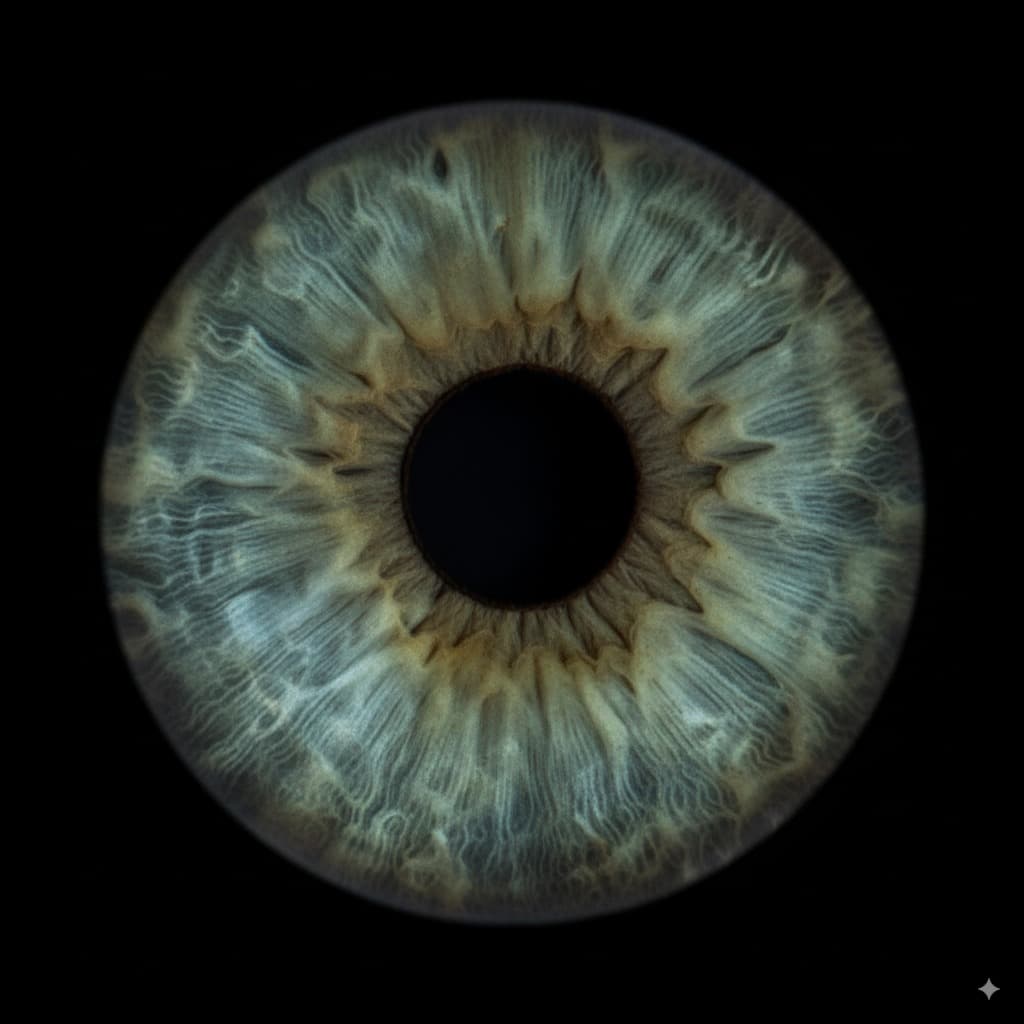
Celebrity eye colors are one of the most-searched corners of the whole topic — but they're also one of the most misreported. Colored contacts, stage lighting, and photo editing mean the eyes you see on screen often aren't the ones the star was born with. So this guide does two things: it walks through the genuinely famous, verified cases worth knowing — Elizabeth Taylor's "violet" eyes, David Bowie's mismatched-looking eyes, and the stars with real heterochromia — and it's honest about where popular claims fall apart.
Elizabeth Taylor: The "Violet" Eyes
The most famous eye color in Hollywood history is also a myth — in the most interesting way. Elizabeth Taylor is endlessly described as having natural violet eyes, but her eyes were actually a deep, vivid blue. Because true violet doesn't occur naturally in the human iris, what people saw was that blue combining with her dark eyeliner, her lilac and blue wardrobe, and the warm studio lighting of mid-century film — the same blue-plus-reddish-light effect behind almost every so-called violet eye.
She did have a genuine genetic peculiarity, which probably helped the legend spread: distichiasis, a double row of eyelashes caused by a mutation in the FOXC2 gene. It gave her an unusually lush lash line that framed and intensified her eyes — but it changed her eyelashes, not her iris. The color was blue; the magic was lighting, styling, and a mutation in the lashes.
David Bowie: Two Blue Eyes That Looked Different
David Bowie is constantly listed among celebrities with two different eye colors — and it's another myth with a real story behind it. Both of Bowie's eyes were blue. What made them look mismatched was anisocoria: his left pupil was permanently dilated, stuck wide open, so that eye looked much darker and appeared a different color in photos, while the right pupil narrowed and widened normally.
The cause was a 1962 fight with his school friend George Underwood over a girl. A punch scratched Bowie's eye and paralyzed the muscles that contract the iris, leaving the pupil fixed for life. Bowie later credited the injury with giving him "a kind of mystique" — and the two friends stayed close, with Underwood designing artwork for several of Bowie's albums. So Bowie is a case of a pupil difference, not a true difference in eye color.
Celebrities With Real Heterochromia
True heterochromia — having two genuinely different eye colors — occurs in under 1% of people, so verified celebrity cases are genuinely rare and worth knowing:
- Mila Kunis — has one green eye and one brown eye. Hers is acquired heterochromia: chronic iris inflammation in one eye (which also caused a cataract and vision problems she has spoken about) changed its color over time.
- Kate Bosworth — has genuine, genetic heterochromia: one blue eye and one that is partly hazel/brown. When she played Lois Lane in Superman Returns, the director specifically asked her not to cover it with contacts.
- Henry Cavill — has partial (sectoral) heterochromia: a small brown segment sits in the upper part of his otherwise blue left iris — two colors within the same eye.
Famous Eye Colors, by Color
A quick tour of which stars are commonly associated with each color. Tap any color to read how it actually forms and how rare it is — and remember the caveat above about contacts and lighting.
Elizabeth Taylor and David Bowie (both blue), plus stars frequently cited for striking blue eyes like Chris Hemsworth, Daniel Craig, and Zac Efron.
Genuinely rare (~2% of people), so green-eyed stars stand out: Emma Stone (a shifting gray-green), Adele, and Tom Cruise are among the most commonly documented.
The changeable brown-green mix, often mistaken for green. Rihanna is a well-known example — hazel with green and brown tones rather than pure green.
By far the most common, on famous faces as everywhere else — most celebrities have brown eyes, which is exactly what you'd expect given brown is the world's dominant color.
Why Celebrity Eye Colors Are So Often Wrong Online
If you've noticed the same star listed with three different eye colors across different articles, there's a reason. Two factors distort nearly every celebrity eye-color claim:
- Colored contact lenses. Performers routinely wear tinted or fully colored contacts for roles, music videos, and red carpets. The eyes on screen may be nothing like the natural color, and the same actor can appear with different eyes from project to project.
- Lighting, cameras, and editing. A pale iris is especially chameleon-like — the same blue or gray eye can read as blue, gray, green, or even violet depending on the light, the camera sensor, and post-production color grading.
That's exactly why we've kept this guide to the cases that are genuinely well established. It's also a neat reminder of the science running through this whole site: eye color isn't a fixed label so much as a conversation between pigment and light — for celebrities and for you. If you're curious where your own eyes truly land, that's a question a pixel-level scan can actually answer.
Frequently Asked Questions
What color were Elizabeth Taylor's eyes?
Blue — a deep, rare blue that photographed as violet under certain lighting and with her signature dark eyeliner and lilac wardrobe. True violet eyes don't occur naturally, so the "violet" was an optical effect, not a pigment. She also had distichiasis (a double row of eyelashes from a FOXC2 mutation), which affected her lashes, not her iris color.
Did David Bowie have different colored eyes?
No — both eyes were blue. They looked mismatched because of anisocoria: his left pupil was permanently dilated after a 1962 fight injured the eye, making it look darker and a different color in photos. It's a pupil difference, not a difference in iris color.
Which celebrities have heterochromia?
Well-documented examples include Mila Kunis (one green eye, one brown, from chronic iris inflammation), Kate Bosworth (genetic — one blue, one partly hazel/brown), and Henry Cavill (partial heterochromia, a brown segment in his blue left iris). Heterochromia occurs in under 1% of people.
Why are celebrity eye colors online often wrong?
Colored contacts and lighting. Many performers wear colored contacts on screen, and lighting, cameras, and editing can shift how an iris reads — so the reliable facts are the ones confirmed across many natural-light photos or by the person themselves.
Sources & Further Reading
- Snopes. Did Elizabeth Taylor Really Have Naturally Violet-Colored Eyes?
- The Conversation. The remarkable story behind David Bowie's most iconic feature (anisocoria).
- Cleveland Clinic. (2024). Heterochromia: Causes and Types.
Related Reading
- Heterochromia: Types, Causes & How Rare Two-Colored Eyes Are
- Violet & Purple Eyes: Are They Real, and How Rare Are They?
- The Rarest Eye Color: 2026 Definitive Ranked Guide
- What Is the Most Attractive Eye Color?
- AI Eye Color Identifier (the tool)
Written by the MyEye - AI Eye Scanner & Iris Analyzer Team. Celebrity eye colors described here reflect well-documented public information; where contacts or lighting create uncertainty, we've noted it. For educational and entertainment purposes.
Last updated: July 15, 2026.