What Is the Most Common Eye Color?
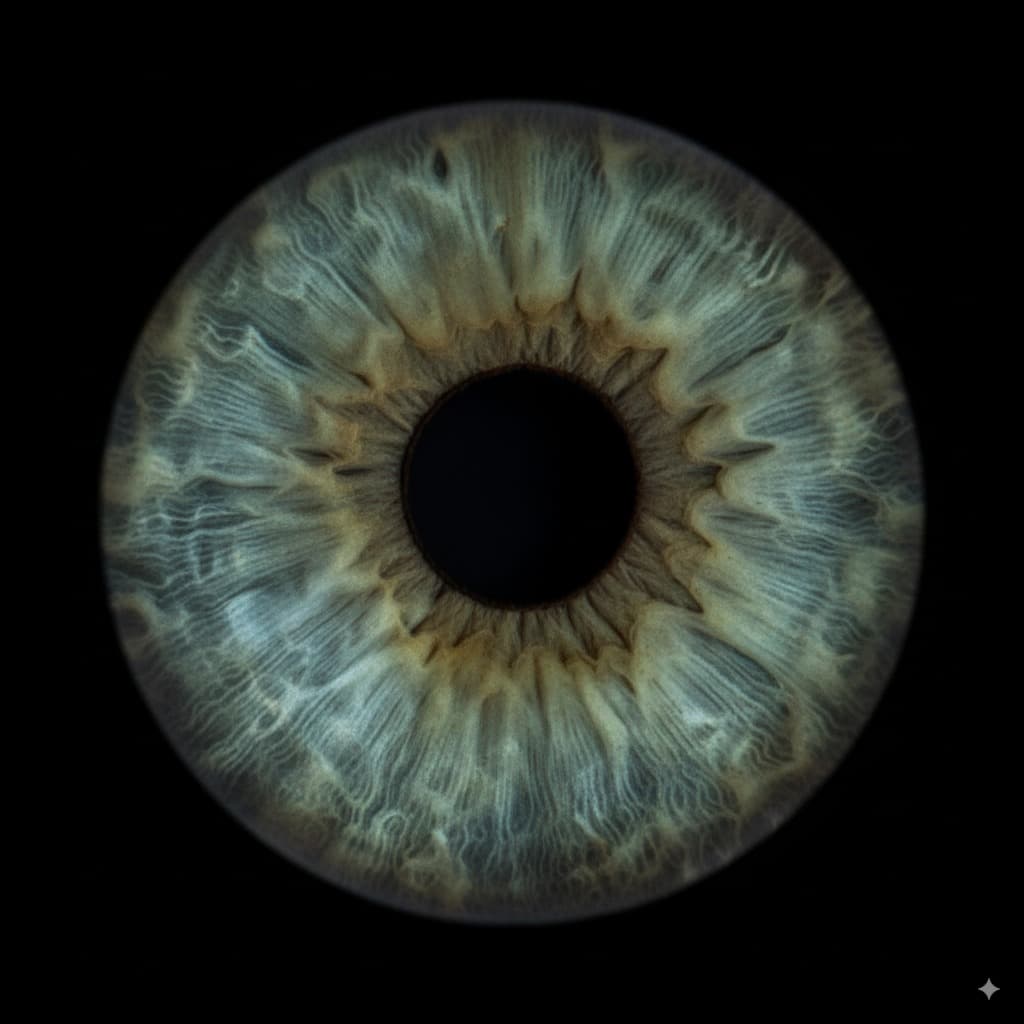
The most common eye color in the world is brown — and it's not a close race. Somewhere around 70–79% of all people have brown eyes, and by broader counts the number reaches well over half to nearly four-fifths of everyone alive. Every other color combined — blue, hazel, amber, green, gray — makes up the small remainder. This guide ranks the colors from most to least common, explains why brown dominates the planet, and shows how the answer changes depending on where in the world you're standing.
Every Eye Color, Ranked by How Common It Is
Here's the whole human palette in order from most common to least, with rough global percentages. Remember these are worldwide averages — as you'll see further down, the local picture can look very different.
Brown · ~70–79%
The global default. Most common on every continent and nearly universal across Asia, Africa, and the Americas.
Blue · ~8–10%
Second most common worldwide, but the majority color in parts of Northern and Eastern Europe.
Hazel · ~5%
A shifting brown-green mix; more common in Europe and the Middle East.
Amber · ~5%
A solid golden tone, distinct from hazel; often grouped with light brown.
Green · ~2%
The rarest of the commonly recognized colors — most concentrated in Ireland and Scotland.
Gray · under 1%
Rarer than green and often miscounted as blue; clusters around the Baltic.
For the same information as a printable side-by-side, see our eye color chart. And if you want this list flipped — the colors ranked from rarest up — that's our rarest eye color guide.
Why Brown Is the Most Common Eye Color
Brown's dominance comes down to a single pigment: melanin. The same brown-black pigment that colors skin and hair also colors the iris, and the more of it you have, the browner your eyes. Brown eyes are simply high-melanin eyes — and high melanin was the original human condition. For most of our species' history, essentially everyone had brown eyes.
Lighter colors are newcomers. The genetic change that produces blue eyes — a switch that turns down melanin production in the iris — is estimated to have arisen only within roughly the last 6,000–10,000 years, in a single ancestor near the Black Sea region. Green, hazel, and gray are similar variations on lower melanin. Because these lighter variants are recent and were concentrated in specific populations, they never had the time or the spread to overtake brown globally.
There's likely a protective angle too: melanin shields the eye from ultraviolet light, so brown eyes may have offered an advantage in the high-sun regions where humanity first evolved. Whatever the exact mix of drift and selection, the result is the same — brown is the default the whole species started from, and most of the world never moved away from it. The full mechanism is in our eye color genetics guide.
The Most Common Eye Color by Region
"Most common" has one answer for the planet and a different answer for many individual places. Brown wins the world, but the local leader can flip completely:
- Asia, Africa, and the Middle East: brown is close to universal — in many countries the overwhelming majority of people have brown or near-black eyes.
- Latin America: brown dominates again, reflecting largely brown-eyed ancestry, though lighter eyes appear in populations with more European heritage.
- United States: brown is the most common eye color nationally, with blue second and hazel and green filling out much of the rest — a spread that mirrors the country's mixed ancestry. Exact figures swing between surveys, so no single percentage is definitive.
- Northern & Eastern Europe: here the ranking flips. In countries around the Baltic and in Scandinavia — Estonia, Finland, and neighbors — blue is the most common eye color, sometimes held by the majority of the population.
- Ireland & Britain: light eyes dominate. Blue and gray are extremely common, and Ireland has one of the world's highest concentrations of green eyes — a color that is genuinely rare almost everywhere else.
This is why the "most common eye color" question is worth asking carefully. Globally it's brown, decisively. But grow up in Helsinki or Dublin and the most common eyes around you may well be blue.
Most Common Eye Color for Redheads (and Other Pairings)
One of the most persistent eye-color myths is the blue-eyed redhead. In reality, the most common eye colors for people with red hair are brown and hazel, followed by green. Red hair paired with blue eyes is actually one of the rarest natural combinations of all, because both traits are recessive and rarely line up in the same person. The striking redhead-with-blue-eyes look is memorable precisely because it's uncommon.
The broader lesson holds for any pairing: because brown is so dominant, brown eyes are the most common partner for nearly every hair color, from black to blonde. Lighter eye colors only take the lead in populations where light features cluster together.
Is the Most Common Eye Color Changing?
Not at the top. Brown is in no danger of losing its place as the most common eye color — worldwide it isn't even close, and the populations where brown is near-universal are the largest on Earth. What research has documented is a slow decline in light eyes within some countries over the last century. In the United States, for example, the share of people with blue eyes is thought to have fallen across generations, driven mainly by immigration and intermixing rather than by any change to brown eyes themselves.
In other words, the interesting movement is all happening among the rarer colors, whose local frequencies rise and fall as populations mix. Brown just stays on top — the quiet, constant majority behind every one of these shifts.
Frequently Asked Questions
What is the most common eye color?
Brown, by a wide margin — roughly 70–79% of all people worldwide. It's followed by blue (about 8–10%), hazel and amber (around 5% each), green (about 2%), and gray (under 1%). Brown's dominance comes from melanin: brown eyes have the most of it, and high-melanin brown was the ancestral human default.
What is the most common eye color in the world?
Brown, and it isn't close. Brown is the most common eye color on every continent and is nearly universal across much of Asia, Africa, and the Americas, because everyone's distant ancestors had brown eyes and lighter colors appeared only recently.
What is the second most common eye color?
Blue, at roughly 8–10% globally — though that hides big regional swings, since blue is the majority color in parts of Northern and Eastern Europe. After blue come hazel and amber (~5% each), then green (~2%).
What is the most common eye color in America?
Brown is the most common eye color in the United States, with blue second and hazel and green making up much of the rest. Exact percentages vary between surveys and depend on how hazel is categorized, so treat any single figure with caution — but brown consistently leads.
What is the most common eye color for redheads?
Brown and hazel — not blue. Despite the blue-eyed-redhead stereotype, red hair with blue eyes is one of the rarest natural combinations, because both are recessive. Most redheads have brown, hazel, or green eyes.
Is brown eye color becoming less common?
No — brown is stable as the world's most common eye color. Research has noted a gradual decline in light eyes (like blue) in some populations, driven by migration and mixing, but that reflects lighter colors shifting, not brown losing ground.
Sources & Further Reading
- Cleveland Clinic. (2024). Eye Colors: Hazel, Green, Amber, Blue, Grey & Brown.
- MedlinePlus Genetics. Is eye color determined by genetics? U.S. National Library of Medicine.
- Eiberg, H. et al. (2008). Blue eye color in humans may be caused by a perfectly associated founder mutation in a regulatory element. Human Genetics.
Related Reading
- Brown Eyes: How Common They Are, the Genetics & Shades Explained
- The Rarest Eye Color: 2026 Definitive Ranked Guide
- Eye Color Chart: Every Color, Its Shades & How Rare It Is
- Blue Eyes: How Rare They Are & Where They Come From
- Eye Color Genetics: What Actually Determines Your Eye Color
- AI Eye Color Identifier (the tool)
Written by the MyEye - AI Eye Scanner & Iris Analyzer Team. For educational and entertainment purposes only. Not medical advice. Population percentages cited are global averages drawn from peer-reviewed studies and may vary by region and methodology.
Last updated: July 15, 2026.