Eye Color Meaning: What Each Color Symbolizes
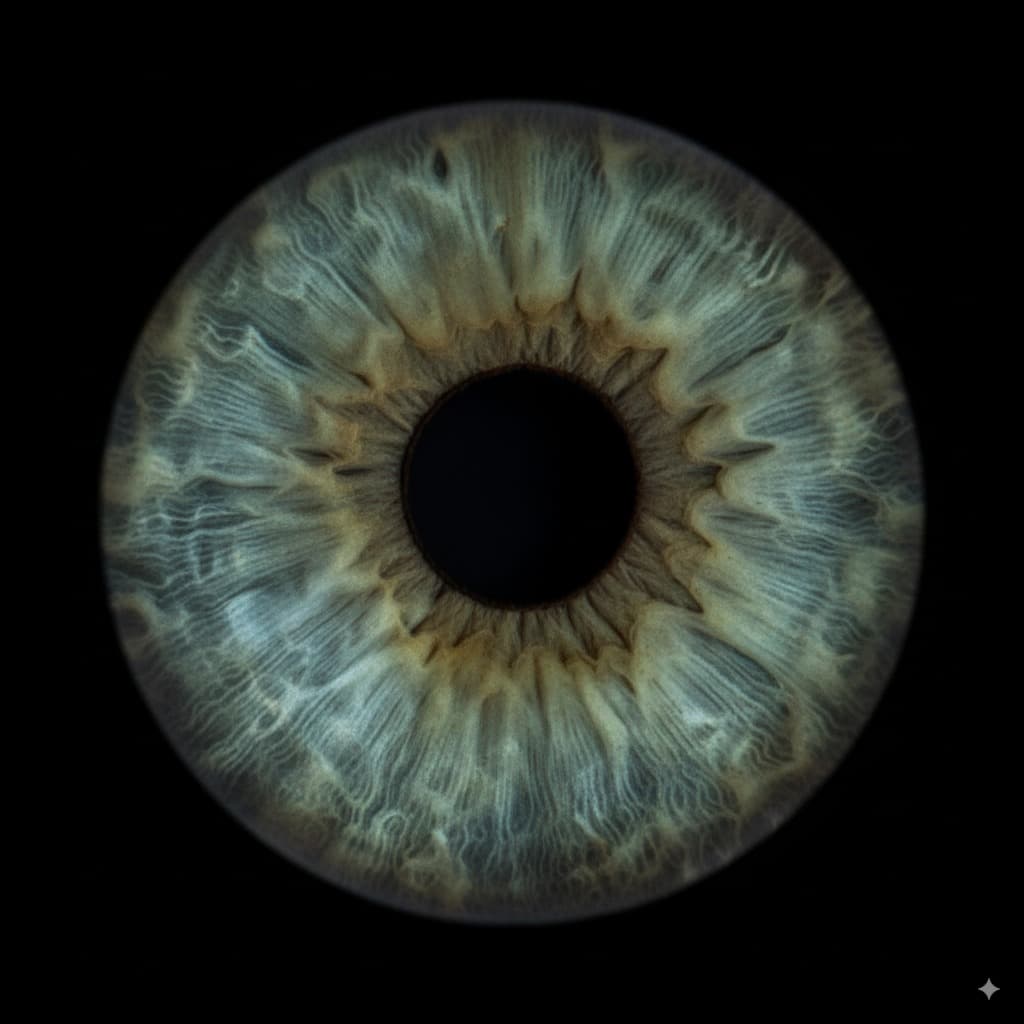
People have read meaning into eyes for as long as we've looked at each other — calling them windows to the soul, tying colors to character, spinning folklore around the rare shades. This guide collects what each eye color is commonly said to mean: the symbolism, the personality associations, and the cultural stories. But let's be honest up front, because it matters: eye color does not actually determine your personality. These meanings are culture and poetry, not science — enjoy them as the former, not the latter.
What Each Eye Color Means
Here's the symbolism most commonly attached to each color across Western folklore, literature, and popular culture. Tap any color to read the real science of how it forms and how rare it is.
Warmth, dependability, groundedness, approachability. As the world's most common color, brown is culturally cast as trustworthy and down-to-earth.
Calm, clarity, youthfulness, serenity. Long linked in Western art to openness and trust — and sometimes, in folklore, to cool reserve.
Mystery, creativity, freshness — and, via 'green with envy,' occasionally jealousy. Rarity has tied green eyes to magic and the otherworldly for centuries.
Spontaneity, independence, changeability. Because hazel visibly shifts with the light, symbolism frames hazel-eyed people as adaptable and full of surprises.
Wisdom, depth, and a cool intensity. The Greek goddess Athena was called 'gray-eyed'; rarity keeps gray eyes read as enigmatic and striking.
Warmth, energy, and a wild, golden quality — amber's resemblance to big-cat and wolf eyes gives it a striking, untamed association.
Mystery, intensity, and secrecy. True black eyes don't exist — they're very dark brown — but the near-black look carries a powerful, unreadable symbolism.
Where Do These Meanings Come From?
The symbolism isn't random — it usually traces back to two things: rarity and appearance. Rare colors collect the most dramatic meanings, because scarcity invites stories. Green and violet eyes get tied to magic and mystery largely because so few people have them. Common brown, by contrast, gets grounded, everyday associations — warmth and reliability — precisely because it's familiar.
Appearance drives the rest. Hazel eyes seem to change with the light, so their symbolism is all about changeability and surprise. Amber's resemblance to the eyes of wolves and big cats lends it a wild, untamed quality. Gray's cool, metallic look — and its link to the "gray-eyed" goddess Athena — gives it associations with wisdom and depth. In every case, the meaning is a human story layered onto a physical trait, which is exactly what makes eye-color symbolism a cultural artifact rather than a scientific one.
Does the Science Agree? (Mostly No)
It's worth returning to the honest point, because the internet is full of confident claims that "studies show" brown-eyed people are more X or blue-eyed people are more Y. A few small studies have reported statistical associations — for example, between eye color and things like alcohol tolerance or how others perceive a face — but these are weak, often unreplicated, and frequently about perception rather than actual personality.
The scientific consensus is straightforward: the genes that set your eye color are about pigment in the iris, and there's no established mechanism by which they'd dictate temperament. So read your eye color's "meaning" the way you'd read a horoscope — a fun mirror to hold up, not a fact about your character. What is genuinely true and interesting about your eyes is the science: how the color forms, how rare it is, and where it comes from.
Frequently Asked Questions
Does eye color really mean anything about personality?
Not scientifically. There's no reliable evidence that eye color determines personality, intelligence, or character. The "meanings" are cultural symbolism and folklore — fun, but not biology. Eye color is set by genetics and melanin; personality is shaped by countless things that have nothing to do with your iris.
What do brown eyes symbolize?
Warmth, dependability, approachability, and groundedness. As the most common eye color, brown is culturally cast as trustworthy and down-to-earth — a symbolic association, not a scientific fact.
What do green eyes symbolize?
Mystery, creativity, and freshness — plus a dash of jealousy from the phrase "green with envy." Green eyes carry rich, magical symbolism largely because they're rare (only about 2% of people).
What do hazel eyes symbolize?
Spontaneity, independence, and changeability — fitting, since hazel eyes really do seem to shift color with the light. The symbolism is a poetic reading of that optical effect, not a personality test.
Related Reading
- Eye Color Genetics: What Actually Determines Your Eye Color
- The Rarest Eye Color: 2026 Definitive Ranked Guide
- What Is the Most Attractive Eye Color?
- Eye Color Chart: Every Color, Its Shades & How Rare It Is
- AI Eye Color Identifier (the tool)
Written by the MyEye - AI Eye Scanner & Iris Analyzer Team. The symbolism described here is cultural and for entertainment only — eye color does not determine personality, health, or character.
Last updated: July 15, 2026.